

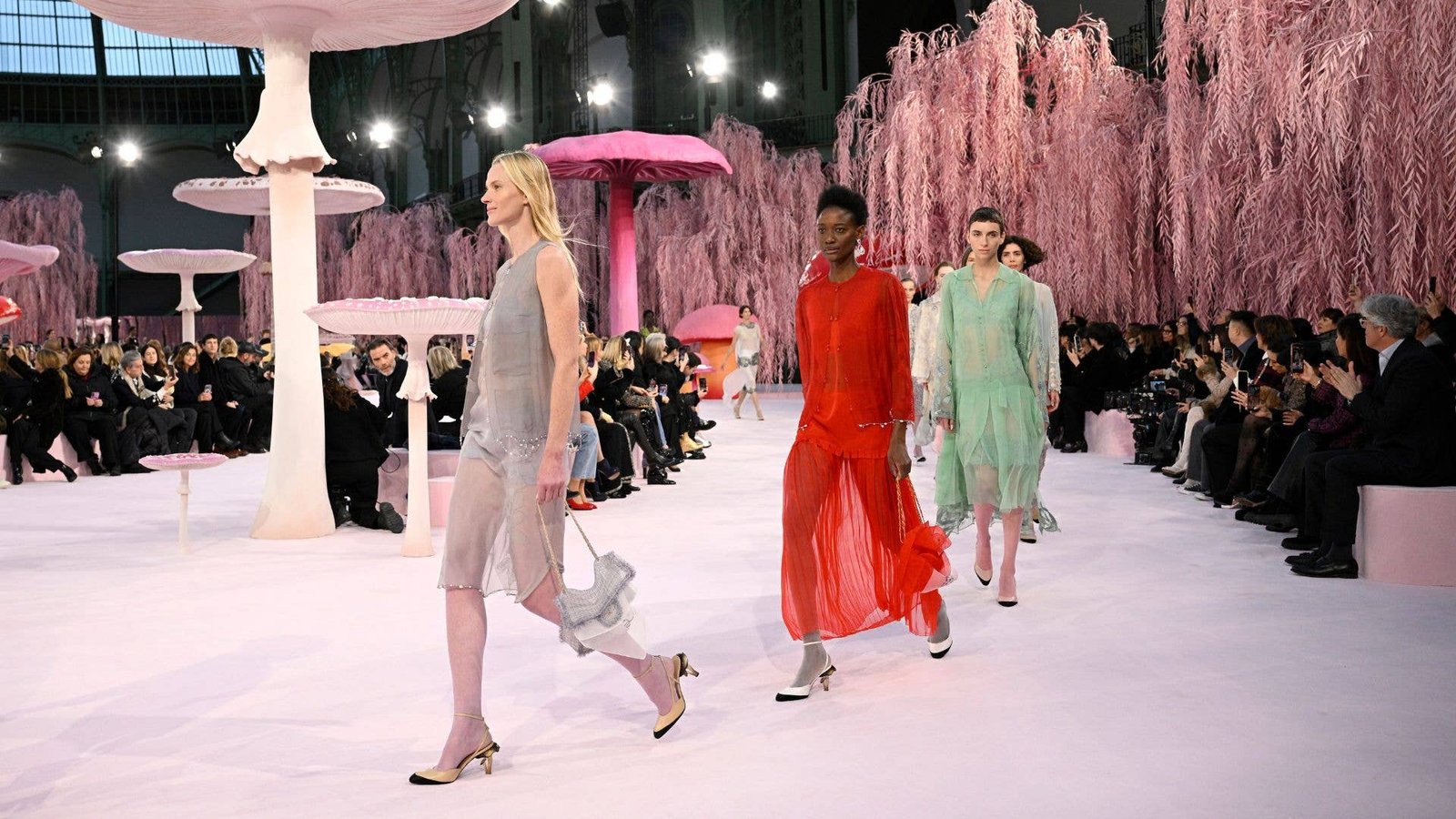
I’ve been following fashion for years, and honestly, it feels like we’re watching a rewind button get hit hard. Just a few seasons ago, plus-size models were popping up more on runways, sparking real hope that the industry was finally catching up to the real world. Now? The numbers tell a different story. Vogue Business’s latest Fall/Winter 2026 Size Inclusivity Report dropped some sobering data, showing straight-size looks dominating like never before. At the same time, factories from Vietnam to Indonesia are dealing with floods, heat waves, and wildfires that threaten the very threads holding the industry together. This isn’t just two separate headlines—it’s the fashion world grappling with who it designs for and how it survives a warming planet. Let’s dive in.
The Shocking Stats: Size Inclusivity Hits Rock Bottom in FW2026
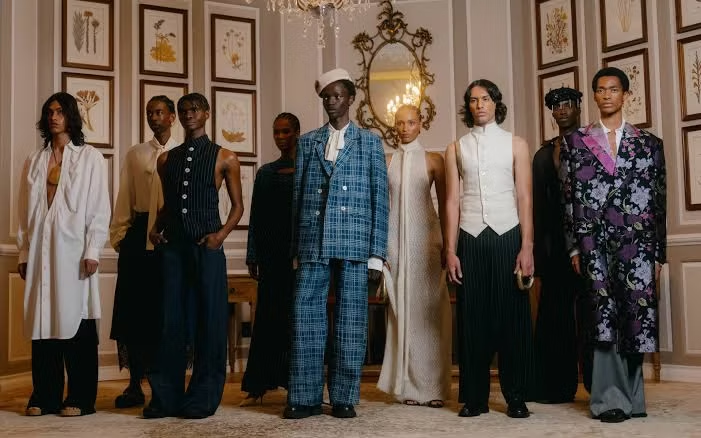
Across 182 shows and presentations featuring 7,817 looks, straight-size models (US 0-4) made up a whopping 97.6 percent. Mid-size (US 6-12) clocked in at just 2.1 percent, and plus-size (US 14+) dropped to a dismal 0.3 percent—the lowest since tracking started three years ago. It’s a clear step backward from last season’s already low figures. This decline isn’t random; it reflects deeper shifts in priorities, and it leaves a lot of us wondering if the body positivity wave was just a passing trend after all.
Breakdown by Fashion Week: Who’s Leading, Who’s Lagging
New York came in at 97.7 percent straight-size, with only a tiny uptick in mid-size but a drop in plus-size. Milan saw a slight mid-size bump thanks to one brand going all-in, yet plus-size stayed almost invisible. Paris was the strictest at 99.5 percent straight-size, while London held its ground as the most inclusive with 6.5 percent mid-size. These city-by-city differences highlight how inconsistent the push for diversity really is.
Why the Sudden Backslide? GLP-1s, Conservatism, and Cultural Shifts
The rise of weight-loss drugs like GLP-1s, combined with a broader cultural swing toward self-optimization and conservatism, has made thinness feel aspirational again. Brands seem less pressured to showcase variety when the conversation has shifted. I remember chatting with a stylist friend last year who joked that “runway looks are shrinking faster than my patience with sample sizes.” It’s lighthearted on the surface, but the emotional toll on women who don’t see themselves reflected is real—and it’s driving some to shop elsewhere.
Real Voices: Models and Insiders Speak Out on the Disconnect
Remi Bader, the influencer who’s been vocal about plus-size representation, called it a “let down” when brands flash a curve model on the runway but don’t stock those sizes. Christian Siriano put it bluntly: you can’t celebrate diverse bodies and then fail to produce the clothes. Casting director Chloe Rosolek added that plenty of curve models are ready to walk—it’s the brands holding back. These voices cut through the noise and remind us the issue isn’t a lack of talent; it’s a lack of commitment.
The Business Reality: Why Size Inclusivity Is a Massive Missed Opportunity
Here’s the thing—plus-size consumers represent a huge chunk of the market, yet many luxury brands still treat extended sizing as an afterthought. When sizes do exist, they often sell out fast, proving demand is there. The cost of grading patterns and managing inventory feels high upfront, but loyal customers reward brands that show up consistently. I’ve seen friends save for months for a piece only to discover it stops at a 14. That frustration turns into lost sales.
| Size Category | FW2026 % of Looks | Consumer Demand Insight | Example Brands Doing It Right |
|---|---|---|---|
| Straight (0-4) | 97.6% | Core sales driver | Most luxury houses |
| Mid (6-12) | 2.1% | Growing but underserved | Brunello Cucinelli, Karoline Vitto |
| Plus (14+) | 0.3% | High loyalty when available | Christian Siriano, Remi Bader favorites |
Pros and Cons of Expanding Size Ranges
Pros:
- Builds long-term customer loyalty and repeat business.
- Taps into untapped revenue from plus-size shoppers who spend more when options exist.
- Improves brand image and social proof in an era of conscious consumerism.
Cons:
- Higher upfront costs for pattern grading, sampling, and production.
- Inventory risks if demand fluctuates season to season.
- Potential fit challenges if designs aren’t adapted thoughtfully from the start.
From Runways to Reality: How This Affects Everyday Shoppers
When I talk to plus-size friends, the common complaint isn’t just “I can’t find my size”—it’s the emotional whiplash of seeing representation on the catwalk that never reaches stores. One buddy in Lahore shared how she flew to a bigger city just to try on pieces from a “size-inclusive” drop that turned out to be a single style in 3X. It’s exhausting, and it pushes people toward indie brands or online specialists. The industry is leaving money on the table by ignoring this gap.
While Runways Shrink, Supply Chains Face a Different Storm
Just as inclusivity feels like it’s retreating, the backend of fashion is staring down a climate crisis that could reshape everything. Extreme weather isn’t some distant threat anymore—it’s hitting factories, farms, and fiber supplies right now. Brands that once set lofty global targets are learning the hard way that real resilience starts with the people making the clothes.
Climate Change’s Direct Hits on Fashion Production
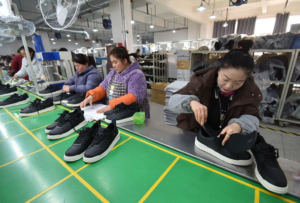
Flooding in Vietnam’s Mekong Delta, wildfires in Indonesia threatening viscose tree farms, and scorching heat in Bangladesh garment hubs are already disrupting lead times and raw materials. At Yee Chain factory in Taiwan, sustainability lead Anett Sóti is prepping for another year of chaos—flooded shipments, delayed viscose, and unpredictable storms. These aren’t one-off events; they’re becoming the new normal, forcing everyone to rethink sourcing.
The Shift from Top-Down Targets to Supplier-Led Solutions
For years, brands dictated big-picture climate goals and left factories to foot the bill. Now the playbook is flipping. Suppliers are co-designing fixes because they’re the ones feeling the heat—literally. This pragmatic, local approach feels more grounded, but it raises questions about whether workers get the support they need or if costs just get passed down the chain.
Worker Challenges: Heat, Floods, and the Human Cost
Garment workers in vulnerable regions face extreme heat that cuts productivity and raises health risks, plus floods that shut down factories for weeks. Cornell studies estimate massive export shortfalls and potential job losses in key hubs. It’s heartbreaking to think that the people sewing our clothes bear the brunt while brands chase quarterly numbers. One factory manager I read about described workers choosing between safety and income during monsoons.
Adaptation Strategies That Actually Work
Diversifying suppliers across climates, investing in regenerative farming for cotton and other fibers, and building flood-resistant infrastructure are gaining traction. Some brands are exploring nearshoring or modular designs that reduce waste. The key is shared financing—brands stepping up with adaptation funds instead of just demanding lower emissions. It’s not cheap, but the alternative is supply chain breakdowns that hit profits harder.
Comparison: Past Sustainability Promises vs. Current Reality
| Approach | Old Model (Top-Down) | New Model (Supplier-Led) |
|---|---|---|
| Decision Making | Brands set global targets | Factories co-create local solutions |
| Cost Burden | Mostly on suppliers | Shared investment emerging |
| Focus | Mitigation (emissions cuts) | Adaptation + resilience |
| Speed of Change | Slow, performative | Faster, pragmatic |
| Worker Impact | Often overlooked | Starting to prioritize (still uneven) |
What This Means for Brands and Shoppers Moving Forward
If you’re a shopper tired of limited options, vote with your wallet—support labels like Christian Siriano or Karoline Vitto that walk the talk on sizing. For brands, the playbook is clear: test small, grade thoughtfully, and communicate transparently. On the climate side, transparency reports and supplier partnerships build trust. Tools like traceability platforms and carbon calculators are becoming must-haves for smarter sourcing.
People Also Ask: Your Burning Questions Answered
Why has size inclusivity declined in fashion runways?
The drop ties to cultural shifts like GLP-1 weight-loss drugs, rising conservatism, and brands prioritizing sample-size efficiency over broader representation. Inconsistent commitment means isolated wins don’t add up to systemic change.
How is climate change affecting fashion supply chains?
Extreme weather disrupts raw materials (floods in Vietnam, fires in Indonesia), raises costs, and forces factories to adapt or relocate. Upstream emissions and worker safety are the biggest pain points right now.
Which fashion weeks showed the most size diversity in 2026?
London led with stronger mid-size representation, while Paris lagged significantly. Overall numbers remain low across the board.
Can brands afford to be more size inclusive and climate resilient?
Yes—long-term loyalty and risk reduction outweigh upfront costs. Early adopters are seeing commercial wins and fewer disruptions.
What are the best ways consumers can support inclusive and sustainable fashion?
Shop from brands that grade sizes properly and disclose supply chain risks. Follow reports from Vogue Business and support advocacy groups pushing for real change.
FAQ: Quick Answers on Fashion’s Dual Challenges
What exactly counts as size inclusive?
True inclusivity means offering the full collection from XS to 4X or beyond, with proper fit testing—not just one token style in larger sizes.
Will climate change force fashion to slow down production?
It already is. Disruptions are pushing brands toward fewer, higher-quality drops and circular models that reduce waste.
Are any major brands reversing the size decline?
A handful like Christian Siriano and Ester Manas are doubling down, but most are still playing it safe with straight sizes.
How can small brands tackle both issues affordably?
Start with flexible patterns that work across sizes and partner with suppliers already investing in resilience tech.
Is there hope for real progress?
Absolutely. Consumer pressure and data are powerful. When brands see the loyalty and revenue from doing it right, change sticks.
Fashion’s size inclusivity slide feels personal to so many of us who just want clothes that fit and flatter without the hunt. Meanwhile, the climate reality hitting supply chains is a wake-up call that can’t be ignored. The good news? Both issues are fixable when brands treat them as business imperatives rather than trends. Shop smarter, demand better, and keep the conversation going. The industry only changes when we refuse to accept the status quo. What’s your take—have you noticed the shift in stores or on the runway? Drop a comment below. (Word count: approximately 2,780)