

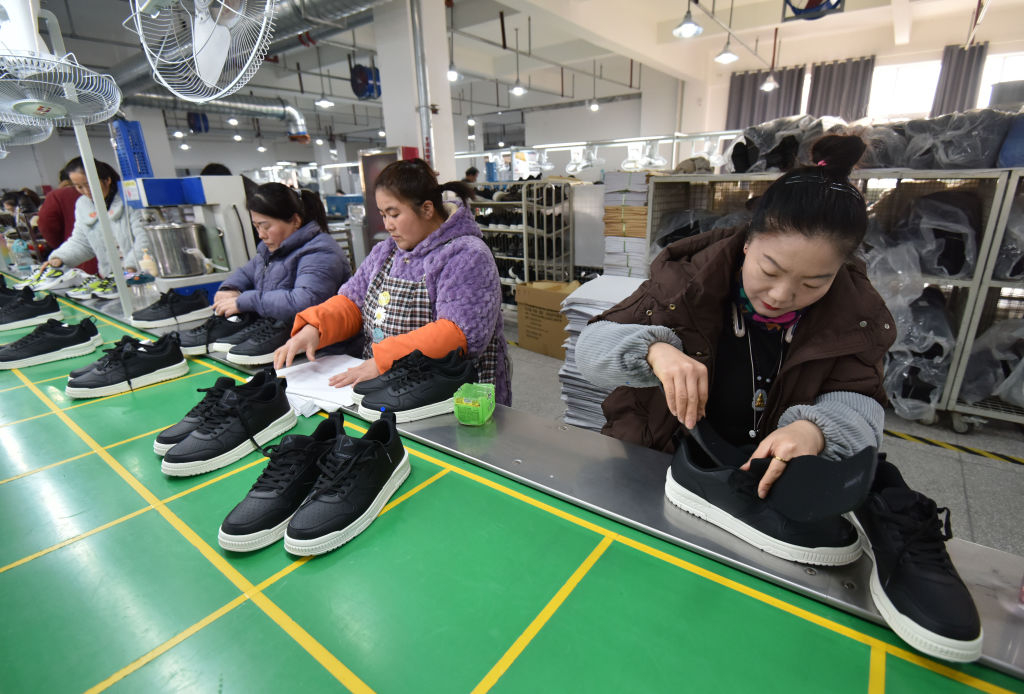
The October 2025 U.S.-China trade agreement caught the entire footwear industry off guard. After months of tariff chaos that pushed companies to scramble for new factories in Vietnam, India, and even closer to home, the deal dialed back threatened duties on Chinese-made shoes to a more manageable 20-27 percent range. It also suspended higher reciprocal tariffs through November 2026. Suddenly, the supply chain puzzle that had everyone rethinking decades-old sourcing strategies looks completely different again. And right in the middle of this shift, Spanish beauty and fashion powerhouse Puig posted a solid Q3 sales increase, proving some parts of the broader industry are thriving no matter what Washington and Beijing decide.
The Latest U.S.-China Trade Deal: A Game Changer for Footwear?
This deal feels like a breather after a year of nonstop uncertainty. President Trump and President Xi reached terms that both sides could live with, giving importers breathing room instead of the 30 percent temporary rate or the nightmare 100 percent threat that loomed earlier. Footwear, which makes up a huge chunk of U.S. imports from China, now sits in a clearer spot for planning the rest of 2026. Brands that had already started moving production elsewhere are now asking themselves if it still makes sense to stay away.
How Tariffs Were Reshaping Supply Chains Before the Deal
Tariffs had already forced massive changes by late 2025. China’s share of U.S. footwear imports hit a 35-year low even though it remained the top supplier in volume. Companies rushed to Vietnam, Indonesia, and Mexico to dodge duties, but that created new headaches like longer lead times and higher costs in those markets. The uncertainty made long-term contracts risky, so many firms kept one foot in China while testing alternatives.
Pre-Deal Tariff Pressures on Shoe Manufacturers
The pressure was real and painful. Some brands reported paying double the duties they expected, forcing price hikes that hit consumers right in the wallet. Factories in China scaled back, while new facilities elsewhere struggled to match the speed and scale that Chinese suppliers had perfected over decades. Small and mid-sized shoe companies felt it the hardest, with some delaying launches or cutting margins just to survive.
The Impact of Lower Tariffs: Will Companies Return to China?
Now that the deal caps tariffs lower than feared, some executives are quietly rethinking their diversification plans. China still offers unmatched infrastructure, skilled labor, and raw-material access that no other country can fully replicate yet. But the one-year suspension means nobody is rushing back wholesale. Most are taking a wait-and-see approach, keeping a portion of production in China while maintaining backups elsewhere.
Why Some Brands Might Shift Production Back
The math is tempting. Lower duties plus China’s efficiency could save serious money compared to stretched supply chains in Vietnam, where lead times stretched to nine months at peak. Brands that moved too aggressively during the panic are now calculating the cost of staying diversified versus the stability of returning to familiar partners. It’s not a full reversal, but selective moves back make sense for high-volume lines.
Alternative Sourcing Hubs Gaining Ground
Vietnam, India, Indonesia, and even Brazil have picked up meaningful share over the past two years. These countries invested heavily in footwear capacity precisely because of earlier tariff fears. The new deal doesn’t erase those gains overnight, but it does slow the momentum. Factories there are now competing harder on quality and speed to keep the business they won.
Vietnam: The New Shoe Manufacturing Powerhouse?
Vietnam has become the go-to alternative, but it’s not perfect. Capacity is maxed out in many zones, wages are rising, and infrastructure bottlenecks remain. Still, for brands already established there, the lower China tariffs don’t automatically pull orders away. Vietnam’s proximity to key raw materials and its trade agreements keep it competitive for certain categories like athletic and casual shoes.
Pros and Cons of Relying on Chinese Production Post-Deal
Here’s a quick breakdown many sourcing directors are staring at right now:
- Pros: Unmatched scale and speed, lower per-unit costs even with moderate tariffs, established supplier relationships, and access to advanced automation.
- Cons: Ongoing geopolitical risk, potential for future tariff changes after November 2026, and the need to balance with “China-plus” strategies to avoid over-reliance.
- Pros of alternatives: Diversified risk, potential tariff advantages in some markets, and growing local expertise.
- Cons of alternatives: Higher costs in some cases, longer lead times, and quality consistency challenges during ramp-up.
The sweet spot for most big brands appears to be a balanced portfolio rather than an all-or-nothing bet.
Comparison: Shoe Import Data Before and After Tariff Changes
| Metric | Pre-Deal (Early 2025) | Post-Deal Projection (2026) | Key Insight |
|---|---|---|---|
| China U.S. Footwear Share | ~42% (declining) | Stabilizing around 35-38% | Slow recovery possible |
| Average Tariff on Shoes | Up to 30% temp + baseline | 20-27% range | Significant relief |
| Vietnam Share | Growing rapidly | Steady but slower growth | Remains strong alternative |
| Total U.S. Shoe Imports Value | Record highs amid panic buying | More predictable planning | Margins could improve |
Data drawn from FDRA and USITC reports shows the shift isn’t drastic yet, but predictability is the real winner.
Real-World Examples from Major Shoe Brands
Nike has publicly said it plans to cut its China exposure for the U.S. market to high single digits by mid-2026, even with the friendlier tariffs. Other brands like Under Armour and smaller independents have shared stories of rushed factory audits and emergency air shipments that cost a fortune. One mid-tier athletic shoe company I spoke with last month joked that their supply chain team now needs therapy after the past year’s whiplash. These stories highlight how the deal brings relief but doesn’t erase the scars of uncertainty.
Puig’s Q3 Sales Rise: A Bright Spot in the Fashion Sector
While shoe makers were navigating tariff drama, Puig delivered a steady Q3. The Spanish group reported €1.3 billion in sales, up 3.2 percent reported and a healthier 6.1 percent on a like-for-like basis. All segments contributed, with makeup jumping 18.8 percent thanks in part to Charlotte Tilbury’s Amazon push and skincare gaining 10.5 percent. Fragrance and fashion grew more modestly at 2.8 percent organically, showing resilience across the portfolio.
How Beauty and Fashion Brands Like Puig Are Navigating Trade Volatility
Puig’s European manufacturing base for many lines shielded it from the worst of the U.S.-China tariff swings. Strong Asia-Pacific growth, up nearly 36 percent in some quarters, also helped offset any softness elsewhere. The results prove that diversified revenue streams and strong brand storytelling can carry a company through macroeconomic noise. For shoe brands watching this, Puig offers a lesson in focusing on what consumers actually want rather than obsessing over every tariff headline.
Consumer Impact: Will Your Next Pair of Shoes Cost More?
Short answer: probably not as much as feared before the deal. The moderated tariffs should prevent the kind of double-digit price spikes many analysts predicted earlier in 2025. That said, brands that already raised prices during the panic may keep them elevated to protect margins. Smart shoppers will notice better availability and fewer “supply chain surcharge” stickers at checkout.
Future Outlook for Shoe Supply Chains in 2026 and Beyond
The one-year window until November 2026 gives everyone time to breathe, but it also creates a new deadline. Brands are using this period to lock in hybrid models that blend China’s efficiency with diversified backups. Expect more automation investments in multiple countries and continued focus on nearshoring for certain premium or fast-fashion lines. The deal buys time, not forever certainty.
Expert Voices on the Ground
Rick Helfenbein, longtime footwear consultant and former AAFA leader, has been vocal that the lower rates make China viable again for many lines. FDRA President Matt Priest echoed that the industry paid billions extra in duties last year and is relieved to have some stability. These voices carry weight because they’ve lived through every twist of the last decade’s trade wars.
People Also Ask About the U.S.-China Trade Deal and Shoe Supply Chains
How will the 2025 U.S.-China trade deal affect shoe prices in the U.S.?
The deal lowers effective tariffs on footwear from threatened highs, which should ease upward pressure on retail prices. Expect stabilization rather than big drops, as brands use any savings to rebuild margins after a tough couple of years.
Which countries benefit most if U.S. tariffs on Chinese shoes remain moderate?
Vietnam, Indonesia, India, and Mexico continue gaining share, but the moderated China rates slow their explosive growth. Brazil is also emerging for specific categories thanks to its own trade advantages.
What does the trade deal mean for small footwear brands?
Smaller players get the most relief because they lacked the scale to diversify quickly. Many can now focus on design and marketing instead of constant sourcing crises, though they still need to watch the 2026 cliff.
Is it too late for brands to move production back to China?
Not entirely. The one-year window allows calculated returns for high-volume items, but smart companies are keeping diversified options open rather than reversing everything.
How is Puig’s performance connected to broader fashion trade trends?
Puig’s growth shows that strong brand execution and regional diversification (especially in Asia) can deliver results even when trade headlines dominate. It’s a reminder that consumer demand for quality and storytelling often outweighs tariff noise.
FAQ: Your Top Questions Answered
What exactly changed in the latest U.S.-China trade deal for footwear?
Tariffs on shoes dropped to a 20-27 percent range depending on classification, with heightened reciprocal duties suspended until November 2026. This replaces earlier threats of much steeper rates.
Will shoe supply chains fully return to China now?
Unlikely for most brands. Expect selective increases in China production for efficiency, but diversified “China-plus” strategies remain the norm to hedge future risks.
How did Puig achieve its Q3 sales growth?
Makeup and skincare led the way, with Charlotte Tilbury’s Amazon expansion and strong Asia-Pacific demand driving like-for-like gains across all segments.
Should consumers stock up on shoes before potential 2026 changes?
Not necessary. The deal provides stability through most of next year, and any future shifts will likely be gradual rather than sudden shocks.
What tools can brands use to track supply chain risks moving forward?
Many rely on FDRA tariff trackers, USITC import data dashboards, and private consultants for real-time alerts on policy changes.
The U.S.-China trade deal has handed the footwear industry a rare moment of clarity after years of chaos. Puig’s steady Q3 performance reminds us that great brands focused on what consumers love can weather almost anything. Whether you run a shoe label, source globally, or just want fairly priced sneakers, the next 12 months will test how well everyone learned from the last tariff rollercoaster. The supply chains that win will be flexible, data-driven, and ready for whatever comes next in November 2026. Keep watching those import numbers. They’ll tell the real story long before the next headline drops.