

African fashion has always been more than fabric and thread—it’s storytelling woven into every seam. I still remember the first time I slipped on a vibrant Ankara piece at a Lagos market years ago; the bold patterns didn’t just catch the eye, they whispered histories of resilience and pride. Today, that same spirit is exploding onto international runways, yet the industry hovers at a crossroads. With talent bursting at the seams and a young, style-hungry population driving demand, the question isn’t if African fashion can go global—it’s what exactly will push it over the edge. Let’s unpack the real story, from the hype to the hard work ahead.
The Booming Yet Underestimated African Fashion Scene Today
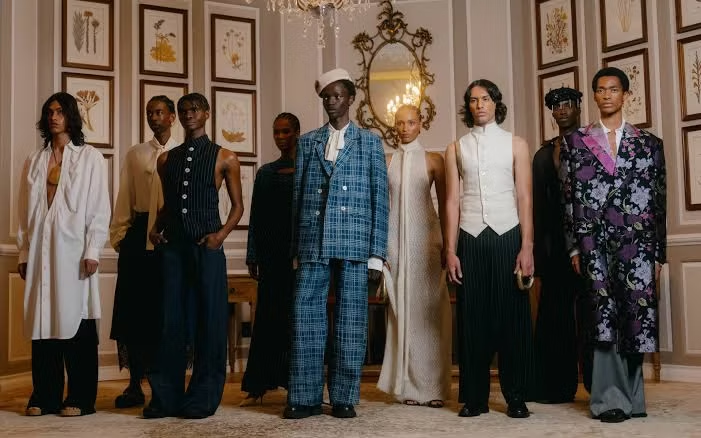
Right now, African fashion isn’t some fleeting trend—it’s a living, breathing economic force reshaping how the world dresses. Designers across the continent blend ancestral techniques with cutting-edge silhouettes, turning heads from Milan to New York. But despite the buzz at events like Lagos Fashion Week and Arise Fashion Week, many outsiders still view it as “exotic inspiration” rather than a serious contender. The truth? It’s already powering jobs, especially for women and youth, and proving that creativity rooted in culture can compete anywhere.
Market Realities: From $31 Billion to a $50 Billion Dream
Numbers don’t lie, and the African fashion market is speaking volumes. Valued at roughly $31 billion in recent years, it’s on track to hit $50 billion by 2030 if the right pieces fall into place. Exports of textiles, apparel, and footwear already pull in $15.5 billion annually, while demand for high-end African haute couture could surge 42% by 2033 thanks to e-commerce and a swelling middle class.
| Metric | Current Value | Projected by 2030/2033 |
|---|---|---|
| Overall Fashion Market | ~$31 billion | $50 billion+ |
| Haute Couture Demand | Baseline | +42% |
| Textile/Apparel Exports | $15.5 billion | Significant growth via AfCFTA |
| E-commerce Users | 334 million (rising) | 50% penetration by 2025 |
This table shows the runway is clear, but only if infrastructure catches up.
Key Growth Drivers Fueling the Momentum
What’s sparking this fire? A youthful population of over 1.4 billion, rapid urbanization, and consumers who crave “Made in Africa” authenticity over imported fast fashion. The African Continental Free Trade Area (AfCFTA) is slashing barriers, potentially boosting intra-African trade in textiles by 11%. Add in organic cotton leadership—Africa produces 7.3% of the world’s organic supply—and you’ve got a recipe for sustainable luxury that global buyers are hungry for.
Iconic Success Stories That Prove It’s Possible
Take Thebe Magugu, the South African designer who became the first African to snag the LVMH Prize in 2019. His collections, worn by Lupita Nyong’o, fuse modern tailoring with cultural narratives that resonate worldwide. Or Loza Maléombho from Côte d’Ivoire, who dressed Beyoncé for Black is King and lit up the 2024 African Cup of Nations. Sarah Diouf’s Tongoro has styled Naomi Campbell and turned Senegalese flair into a global brand. These aren’t one-offs—they’re proof that when talent meets opportunity, borders dissolve.
- Laduma Ngxokolo’s MaXhosa: Xhosa-inspired knitwear that hit London Fashion Week.
- Lisa Folawiyo: Ankara elevated to high fashion, worn by Thandiwe Newton.
- Imane Ayissi: First Sub-Saharan designer on Paris Haute Couture Week schedule.
The Major Hurdles Holding African Fashion Back
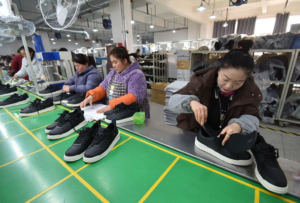
For all the promise, the road is littered with potholes that turn potential into frustration. Designers pour their souls into pieces only to watch shipping costs eclipse production expenses or face tariffs that make exporting feel like climbing Everest in heels. Add in fragmented supply chains and you start to see why scaling remains a dream for most. It’s not a lack of creativity—it’s systemic roadblocks stealing the spotlight.
Infrastructure and Logistics Nightmares
Imagine designing a stunning collection in Lagos, only for it to sit in customs longer than it took to sew. Poor transportation networks, unreliable electricity, and sky-high cross-border fees plague the sector. Many countries still import fabrics despite growing cotton production, creating a maddening trade deficit of $7.6 billion. West Africa is leading with stronger ecosystems, but the rest of the continent needs urgent upgrades to turn local talent into export powerhouses.
Funding Gaps and IP Protection Woes
Money talks, but in African fashion, it often whispers. Limited access to capital means 90% of businesses—mostly small and medium enterprises—struggle to scale. Intellectual property theft is another gut punch; traditional patterns get copied abroad without credit or compensation. Without stronger legal frameworks, designers risk losing their stories to fast-fashion giants. It’s heartbreaking when brilliance gets borrowed instead of bought.
Pros and Cons of Scaling African Fashion Now
| Aspect | Pros | Cons |
|---|---|---|
| Market Demand | Rising middle class + diaspora love | Competition from cheap imports |
| Sustainability | Organic cotton + local materials | Secondhand clothing floods markets |
| Talent Pool | Young, innovative designers | Brain drain to Europe/US |
| Digital Tools | E-commerce boom | Logistics still lag |
Sustainability: Africa’s Secret Weapon for Global Appeal
Here’s where Africa shines brightest—sustainability isn’t a marketing buzzword; it’s baked into the DNA. Local artisans have practiced circular fashion for generations, upcycling and using natural dyes long before it became trendy. With organic cotton on the rise and initiatives like Rwanda’s tariff tweaks boosting local textiles, the continent can lead the charge against fast fashion’s waste. Global buyers craving ethical luxury? They’re already knocking.
Policy and Government Support: The Missing Link
Governments hold the keys, yet too many treat fashion as a side note instead of a national treasure. Policies like Ghana’s “Local Wear Fridays” or Ethiopia’s industrial parks show promise, but coordination is spotty. Imagine tax breaks for brands using continental fabrics or special economic zones for textile clusters—those moves could slash costs and create hundreds of thousands of jobs. Without bold leadership, talent stays local while the world misses out.
Technology and E-Commerce: Bridging Borders Digitally
Picture this: a designer in Nairobi sells directly to a buyer in Paris via a seamless app, no middlemen, no headaches. E-commerce has jumped from 13% to 28% penetration, with platforms like Afrikrea and Industrie Africa opening doors. Add VR showrooms and mobile money, and suddenly distance disappears. Yet tech alone won’t fix broken roads or power cuts—pairing it with infrastructure is the real game-changer.
Collaboration and Investment: What the World Needs to Bring
Investors, international brands, and African creatives must stop dancing around each other and start tangoing. Funds like Birimian Ventures and AfDB’s Fashionomics Africa are stepping up, but more is needed—mentorship programs, joint ventures, and fair partnerships that keep Africans leading the narrative. When Chanel showcases in Senegal or Dior in Egypt, it’s exciting, but true power comes when locals own the factories too.
Comparison: African Fashion vs. Global Peers
Asian markets scaled through massive government investment and clustered production hubs decades ago. Africa has the cultural edge and sustainability story but lags in scale. Europe dominates with heritage branding and infrastructure. The gap? Policy muscle and supply-chain unity. Close it, and Africa doesn’t just catch up—it leapfrogs with authenticity that no one else can copy.
What It Will Truly Take: A Roadmap to Global Dominance
So, what’s the blueprint? First, invest in infrastructure and textile clusters with tax incentives. Second, strengthen IP laws and training programs blending tradition with business skills. Third, leverage AfCFTA for regional value chains. Fourth, push sustainable practices and e-commerce innovation. Fifth, ensure Africans lead every conversation—from design to distribution. It’s not rocket science; it’s deliberate, collective action.
People Also Ask: Your Burning Questions Answered
- What are the biggest challenges for African fashion? Infrastructure deficits, funding shortages, IP gaps, and logistics costs top the list, per UNESCO insights.
- Who are the top African designers going global? Standouts include Thebe Magugu, Loza Maléombho, and Sarah Diouf, with celebrity endorsements proving the appeal.
- How big could the African fashion market get? Projections point to $50 billion by 2030, driven by local demand and exports.
- Can African fashion compete with fast fashion giants? Absolutely—by leaning into sustainability, heritage, and quality over quantity.
- Where can I buy authentic African fashion online? Platforms like The Folklore, Industrie Africa, and direct brand sites offer global shipping.
FAQ
How does AfCFTA help African fashion?
It reduces tariffs and boosts intra-continental trade, making it easier for designers to source materials and sell across borders without the usual headaches.
What role does sustainability play in African fashion’s future?
It’s a massive advantage—local organic practices and upcycling position the continent as a leader in ethical luxury that buyers increasingly demand.
Are there grants or programs for African designers?
Yes—LVMH Prize, AfDB initiatives, and accelerators like the Ethical Fashion Initiative provide funding, training, and market access.
Why do secondhand clothes hurt local designers?
They flood markets cheaply, undercutting local production and creating waste issues, though upcycling offers a creative workaround.
What’s the one thing that could transform the industry overnight?
Coordinated government investment in manufacturing hubs and IP protection would unlock scale like nothing else.
The path forward isn’t paved with wishful thinking—it demands grit, investment, and unity. African fashion has the soul, the skill, and the stories. Now it needs the systems to match. When that happens, the world won’t just watch—it’ll wear it proudly. The potential is here. The question is, are we ready to seize it? (Word count: 2,812)